

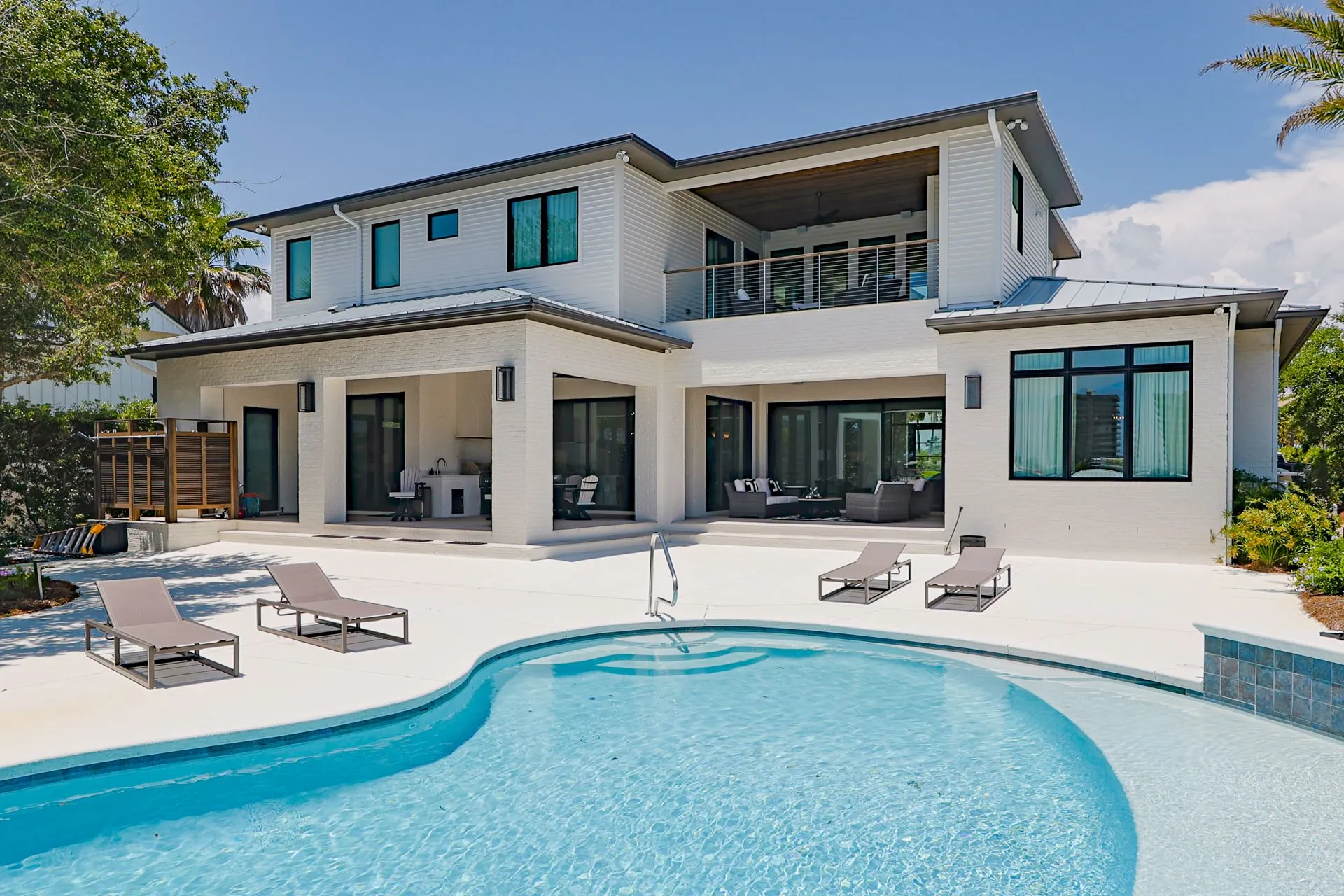
Clients often ask us one question first: “Can I buy most of my villa materials from China and ship them together?” The short answer is yes—but only when the order is managed as one connected project.
A beautiful tile does not solve a cabinet measurement problem. A low door price does not help if the hardware is missing. A full container is not useful if the goods arrive in the wrong order for installation. We therefore begin with the villa plan, not with a product catalogue.
QUICK ANSWER
How do you buy villa materials from China?
- Finish the design direction and list the required material categories.
- Prepare drawings, quantities, technical requirements, destination, and target date.
- Compare suppliers against the same specification—not product names alone.
- Approve samples, finishes, and shop drawings before production.
- Inspect the order and packing before final shipment.
- Consolidate products around container safety and the site installation sequence.
01
Is buying from China right for your villa?
China can be a practical choice when your project needs several categories, custom sizes, coordinated finishes, or a wider product range than your local market offers. It works best when you are willing to prepare clear information and make decisions before production.
This approach may not be suitable for every order. A very small order, an urgent replacement, or a project without confirmed measurements may be easier to buy locally. International sourcing adds decisions about standards, documentation, packing, freight, duties, and site delivery. These costs and risks must be considered from the beginning.
You want doors, windows, cabinets, tiles, bathrooms, flooring, furniture, or finishes under one plan.
You can share plans, measurements, project location, design references, and a realistic target date.
Your architect, engineer, installer, or local authority must confirm the standards and site requirements.
02
What villa materials can you buy?
A whole-villa package normally combines products from different factories. The important point is not whether every item comes from one factory. It is whether the products are selected and checked under one project standard.
Tiles & Stone
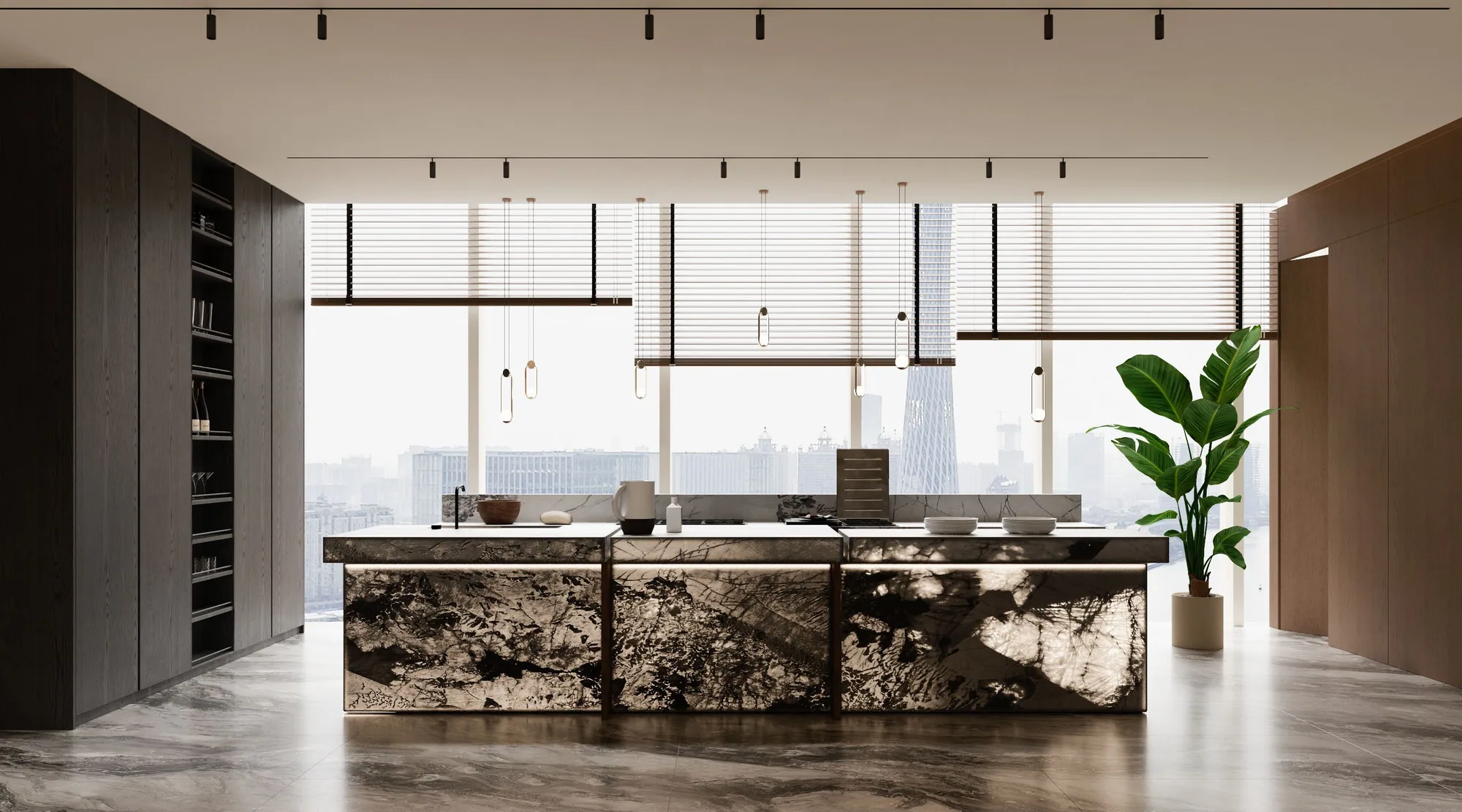
Floor tiles, wall tiles, slabs, countertops, mosaics, and decorative stone.
Doors & Windows
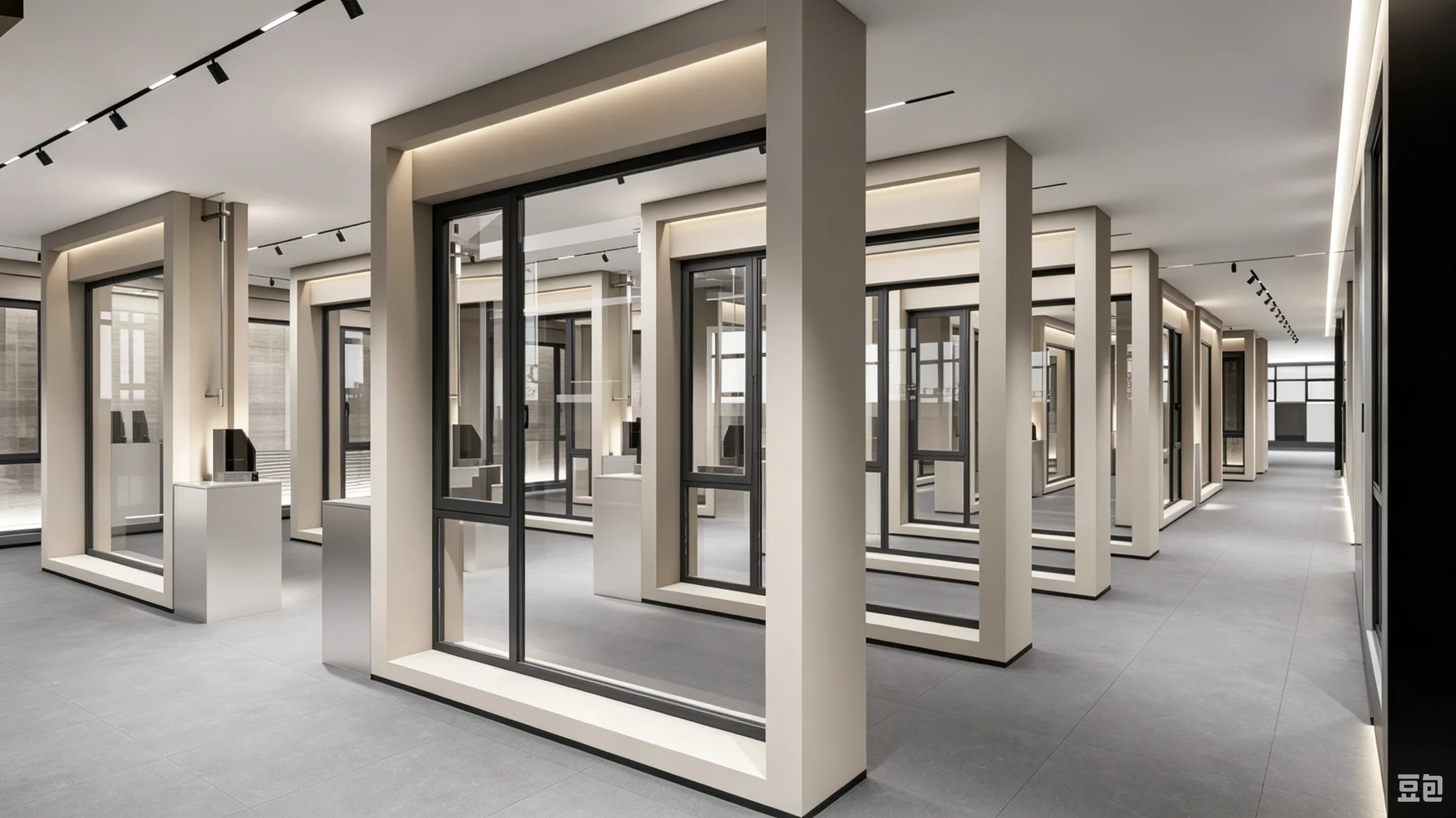
Entrance doors, interior doors, aluminum windows, glass systems, and hardware.
Kitchen & Storage
Kitchen cabinets, wardrobes, bathroom vanities, and other fitted storage.
Bathroom
Sanitary ware, faucets, showers, bathtubs, mirrors, and accessories.
Flooring & Staircase
Wood or SPC flooring, skirting, underlay, stairs, and balustrades.
Furniture & Finishes
Living, dining, bedroom, outdoor furniture, wall panels, and selected finishes.
The final scope should follow your drawings and construction schedule. Structural materials, local labor items, and products that require special local approval may still be better sourced near the project.

03
Choose the right buying route
There is no single buying method for every client. Your team, order size, technical knowledge, and number of suppliers should guide the choice.
Buy direct from factories
Useful when you already have complete specifications, local quality staff, and time to manage several suppliers.
More control, but more coordinationUse online marketplaces
Helpful for early research and simple standard products. A listing is not a substitute for verification.
Fast research, uneven project supportUse one project team
Suitable when many product categories, drawings, samples, inspections, and shipments must stay coordinated.
One plan across many categoriesFor a complete villa, the difficult part is usually not finding products. It is keeping dimensions, colors, technical requirements, production dates, packing, and shipping consistent across many suppliers.
04
What to prepare before requesting prices
A vague request produces a vague quotation. Before asking for a final price, prepare as much of the following information as possible:
- Architectural drawings: Floor plans, elevations, door and window schedules, room dimensions, and key details.
- Material list or BOQ: Product name, area or room, quantity, size, finish, and any known specification.
- Design references: Renders, mood boards, photos, colors, and the quality level you expect.
- Destination requirements: Country, city or port, climate, voltage, water fittings, fire or energy requirements, and local standards.
- Project schedule: When measurements will be ready, when production should begin, and when goods are needed on site.
- Budget direction: A realistic range helps the sourcing team show suitable options instead of unrelated products.
If your BOQ is not complete, begin with the drawings and a room-by-room list. Mark every unknown item clearly. It is safer to confirm a missing detail than to let a supplier guess.
05
A nine-step process for buying a whole villa package
Step 1: Freeze the design direction
Confirm the overall style, key colors, room functions, and priority materials. You do not need every decorative detail on day one, but the main direction should be stable before suppliers prepare final options.
Step 2: Turn the villa into a buying schedule
Organize the project by category and room. Separate standard products from custom products. Highlight items that need site measurements, shop drawings, samples, or local technical approval.
Step 3: Match each category with suitable suppliers
A factory that makes good tiles may know nothing about custom cabinets. A furniture showroom is not automatically qualified to produce project windows. Supplier selection should follow the product, specification, order size, quality level, and destination market.
Step 4: Verify before paying
Check the company identity, production capability, similar products, export experience, and the documents required for your destination. Photos and listings are useful for research, but they do not replace verification.
Step 5: Compare quotations line by line
Ask suppliers to quote against the same specification. Check whether hardware, accessories, spare parts, packing, drawings, inland transport, export charges, and other necessary items are included. A low quotation may simply have a smaller scope.
Step 6: Approve samples and shop drawings
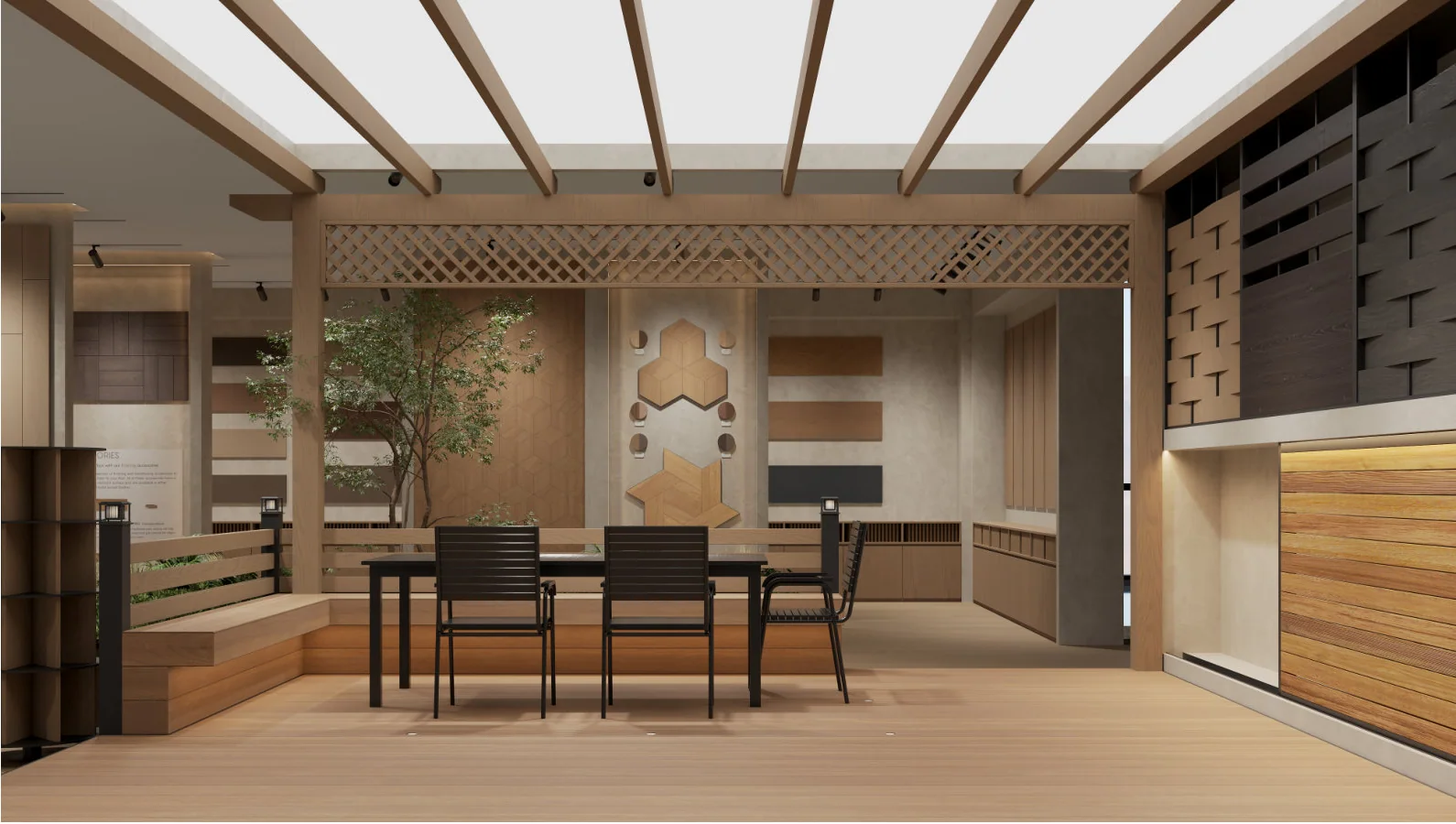
A sample confirms appearance. A shop drawing confirms size and construction. Custom cabinets, doors, windows, stone, staircases, and vanities should not enter production until the necessary details are checked by the responsible project team.
Step 7: Follow production
Track confirmed finishes, dimensions, quantities, accessories, and agreed production dates. Record approved changes. Verbal decisions are easy to forget when many suppliers are involved.
Step 8: Inspect products and packing
Inspection should follow the purchase order, approved sample, drawings, and packing requirements. Depending on the product, check quantity, dimensions, finish, function, accessories, labels, protection, and visible damage before shipment.
Step 9: Consolidate and ship around the site plan
Different products finish at different times and need different protection. Heavy stone or tiles, fragile glass, cabinets, furniture, and small hardware cannot be loaded without a plan. Labels should help the site team identify the building, floor, room, category, and package.

06
Compare total project cost—not only factory price
The factory price is only one part of the buying decision. Your comparison should also consider samples, product testing when required, packing, inland transport, warehouse handling, inspection, freight, insurance, duties, destination charges, local delivery, installation, and possible replacement.
Ask for the applicable trade term and confirm which party controls each step. The correct choice depends on your country, freight plan, import experience, and local customs arrangements. Before placing an order, discuss duties and import rules with a qualified local customs broker.
07
Red flags and common buying mistakes
- The price is far below every comparable quotation.Check whether the material, thickness, hardware, finish, packing, or scope is different.
- The supplier avoids detailed specifications.Product names such as “luxury door” or “porcelain tile” are not enough for a project order.
- Custom products are offered without drawings.Doors, windows, cabinets, stone, and stairs need controlled dimensions and details.
- A certificate is shown without a product match.Confirm that documents apply to the exact ordered product and destination requirement.
- Final payment is requested before inspection.Agree on the review, inspection, and approval process before placing the order.
- Packing is treated as an afterthought.Sea freight is hard on glass, stone, tiles, cabinets, furniture, and finished surfaces.
- Many products are selected without one finish plan.Use control samples or a shared palette so different suppliers do not create a mismatched villa.
08
Frequently asked questions
Can I buy all building materials for one villa from China?
You can buy many villa categories from China, but the best scope depends on your drawings, project size, local standards, shipping plan, and installation team. Some structural or locally regulated items may be better purchased near the project.
Do I need to visit China?
A visit can help with large selections, but it is not always necessary. Drawings, video meetings, sample delivery, documented approvals, inspections, and loading records can support a remote buying process.
Do I need a complete BOQ before contacting you?
No. A BOQ is helpful, but we can begin with floor plans, elevations, style references, destination, required categories, and your target schedule. We can then identify the missing information.
Can products from different suppliers ship together?
Often they can be consolidated. The plan depends on completion dates, product type, packing, weight, volume, container safety, destination rules, and the order in which materials are needed on site.
How do I know whether a quotation is complete?
Compare it with your specification and scope. Check sizes, materials, finishes, quantities, hardware, accessories, spare parts, packing, trade terms, production time, and exclusions. Ask questions about every unclear line.
Who confirms local building standards?
Your project architect, engineer, installer, local consultant, customs broker, or relevant authority should confirm the rules for your destination. Do not assume a supplier’s standard product automatically meets local requirements.
START WITH A PROJECT REVIEW
Send us what you already have.
Share your villa drawings, material list or BOQ, style references, delivery country, and target date. We will help you organize the next step before product selection begins.
Request a Villa Material Review