
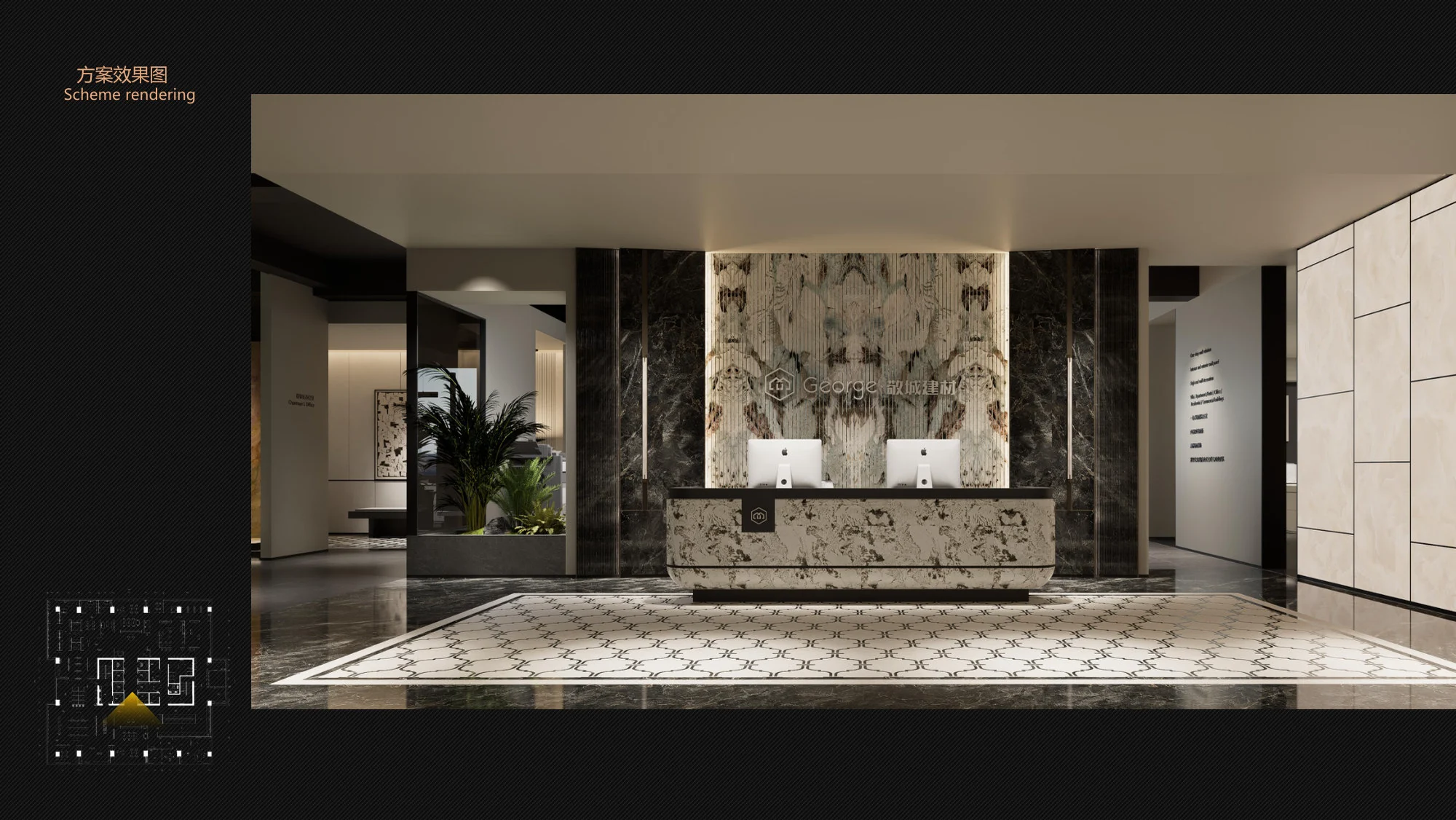
A client may select one beautiful slab or tile. My job is to help make sure the full production quantity gives the project the same design direction.
We begin with room use and drawings, then confirm technical details, quantity, samples, layout, waste, inspection, and shipping.
QUICK ANSWER
What should I confirm before ordering tiles and stone?
Confirm application, material, size, thickness, finish, slip need, color or shade range, pattern direction, edge, quantity, waste allowance, batch control, adhesive system, packing, and spare pieces.
01
Select by application
Floor, wall, shower, balcony, pool, staircase, countertop, and façade areas have different needs. Tell the supplier where the product will be used and what the local designer requires.
For wet or outdoor areas, slip, drainage, weather, substrate, and installation details matter. A polished surface chosen for beauty may not suit every location.
02
Write a complete specification
Record the product code, material type, nominal and actual size, thickness, finish, edge, color, pattern, batch, and any performance or approval requirement.
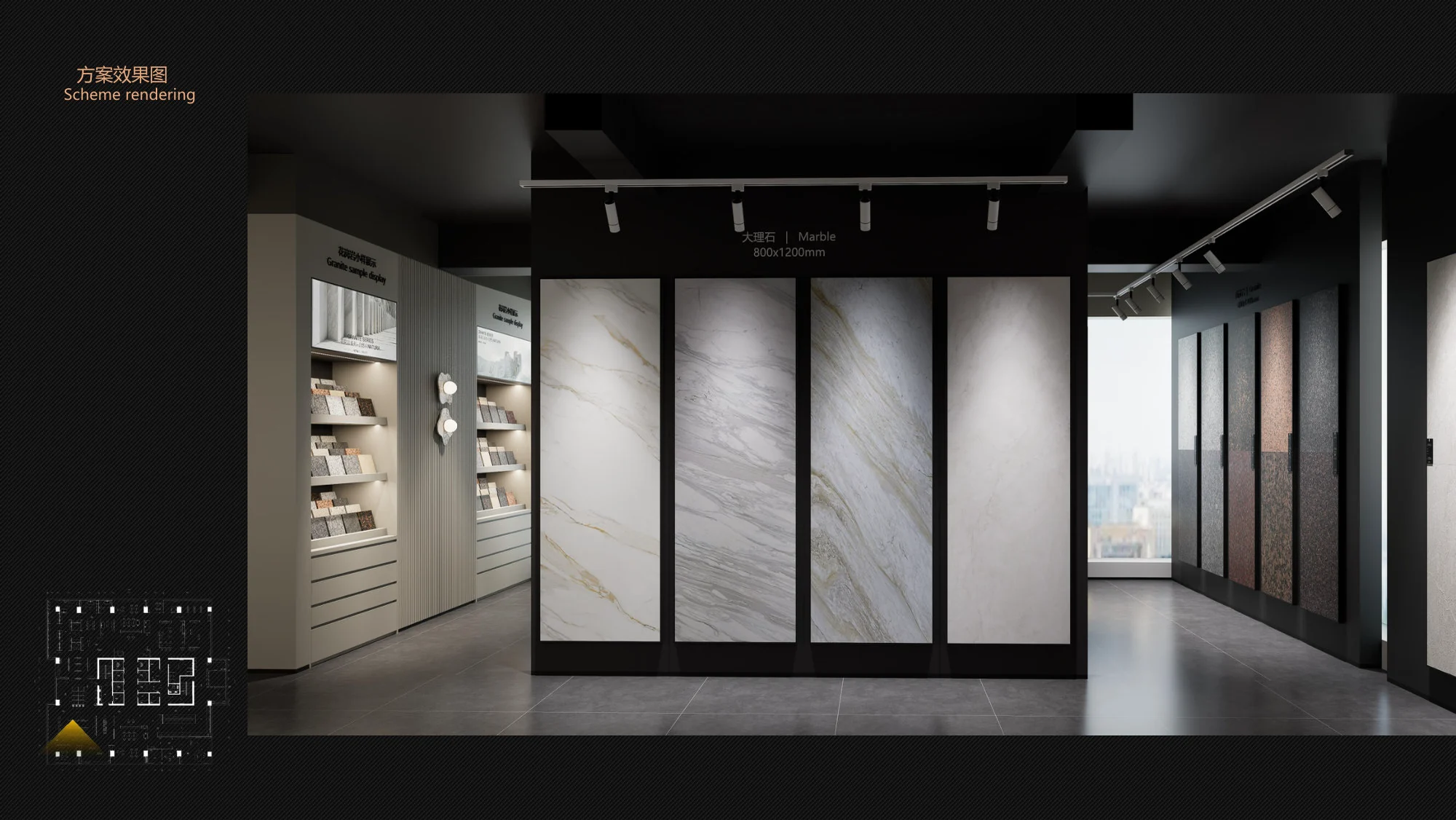
For natural stone, agree on acceptable color, veins, holes, repairs, mesh backing, resin, and dry layout. Variation is part of the material, so approval should show the expected range.
03
Calculate quantity by room and layout
Use approved drawings to measure each area. Add skirting, stairs, patterns, cuts, book-matching, breakage risk, and future replacement pieces.
The waste allowance is not one fixed number. Large-format tiles, diagonal layouts, many corners, and strongly patterned stone may need different planning.
04
Approve a sample and control the batch
A small sample helps confirm color and surface, but production can still vary. Ask how shade and calibre are controlled and record the batch information.
During inspection, check boxes, codes, quantity, dimensions, flatness, visible defects, shade range, edges, finish, and packing according to the agreed method.
05
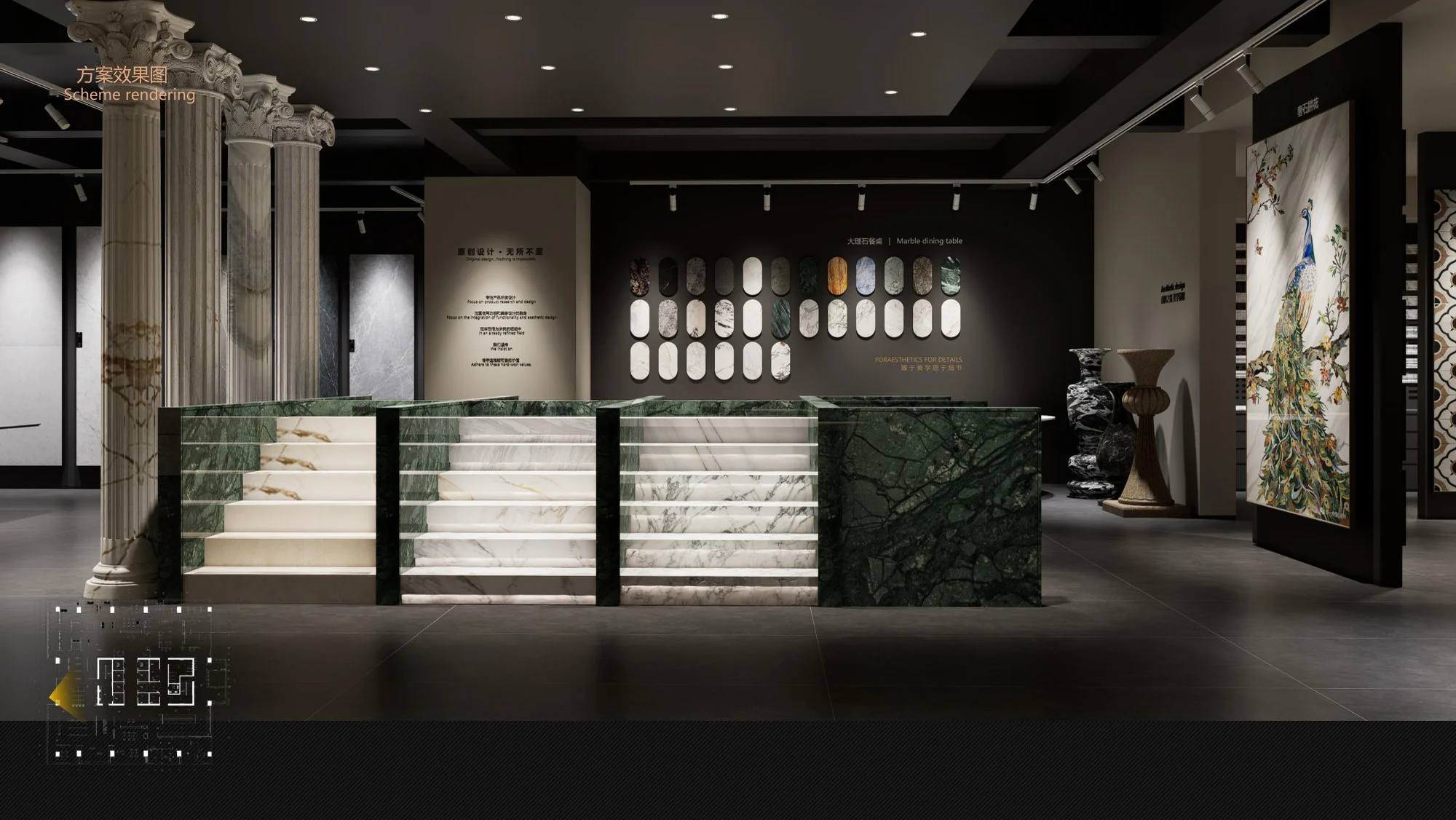
Pack and load for weight and breakage
Tiles and stone are heavy. Pallet strength, crate design, moisture protection, lifting access, container weight distribution, and secure loading are important.
Give the installer the product data, room schedule, layout drawings, adhesive and grout requirements, and spare-piece plan before work begins.
FAQ
Frequently asked questions
Porcelain tile or natural stone?
Porcelain is more consistent and often easier to maintain. Natural stone offers unique character but needs acceptance of variation and suitable care.
How much extra tile should I order?
It depends on layout, tile size, cuts, room shape, batch availability, and future repair needs. Confirm with the designer and installer.
Can I mix tile suppliers in one container?
Yes, if packages are checked, labeled, protected, and loaded within the weight plan.
Should I approve tiles from photos?
Photos are useful, but physical samples and agreed batch controls are safer for important finishes.
START YOUR PROJECT
Build a room-by-room tile and stone schedule.
Send your plans, finish references, quantities, and destination. We can help organize selection, quotation, inspection, and packing.
Send Your Project Details