
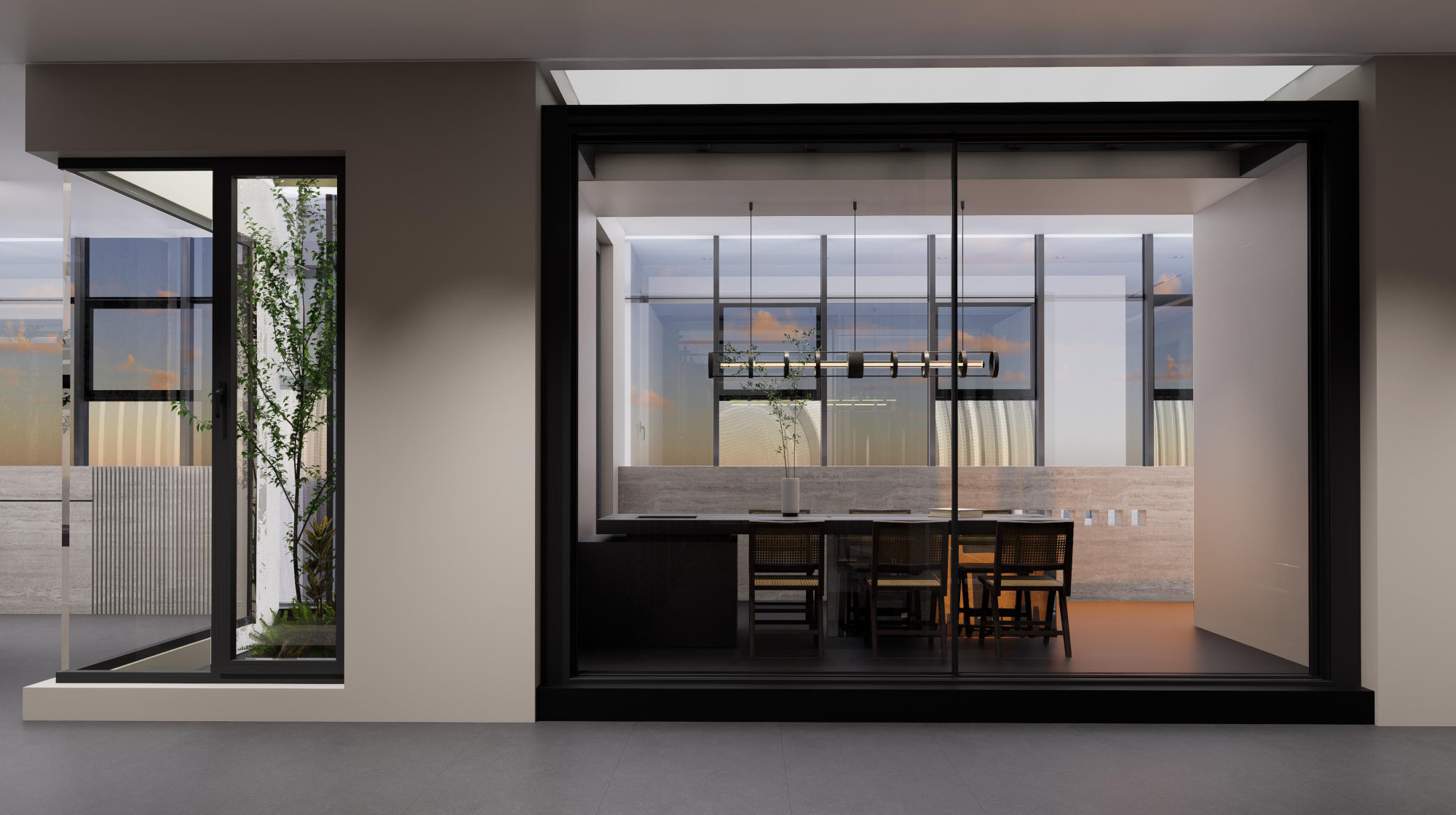
When a buyer asks me for “good aluminum windows,” my first answer is normally another question: good for which villa, climate, opening size, and local rule?
A bedroom window, a three-metre sliding door, and an entrance door do different jobs. If we send only sizes to several factories, each factory may quote a different system. The prices look easy to compare, but the products are not the same.
QUICK ANSWER
What should I confirm before buying?
We confirm six parts before production:
Drawings
Size, quantity, opening direction, location, and installation connection.
Frame
Material, profile system, thickness, thermal break, color, and finish.
Glass
Layers, thickness, safety treatment, coating, spacer, and gas where needed.
Hardware
Hinges, rollers, handles, locks, load rating, finish, and spare parts.
Performance
Water, air, wind, energy, sound, safety, and local approval needs.
Delivery
Inspection, labels, protection, crates, loading, storage, and installation plan.
If one part is unclear, the final window can be different from what the buyer expected.
01
Start with an opening schedule, not a product photo
A reference photo helps us understand the style. It does not show the final size, opening direction, wall detail, wind exposure, or local safety need. We use the architectural drawings to build an opening schedule.
Each window or door receives an ID, such as W01 or D03. The schedule records its room, width, height, quantity, type, handing, glass, color, screen, and special notes. The factory then prepares shop drawings for review.
For a new villa, the local architect and builder should confirm the construction openings. For an existing building, a qualified local person should take final site measurements. We never want a factory to start mass production from an old drawing.
02
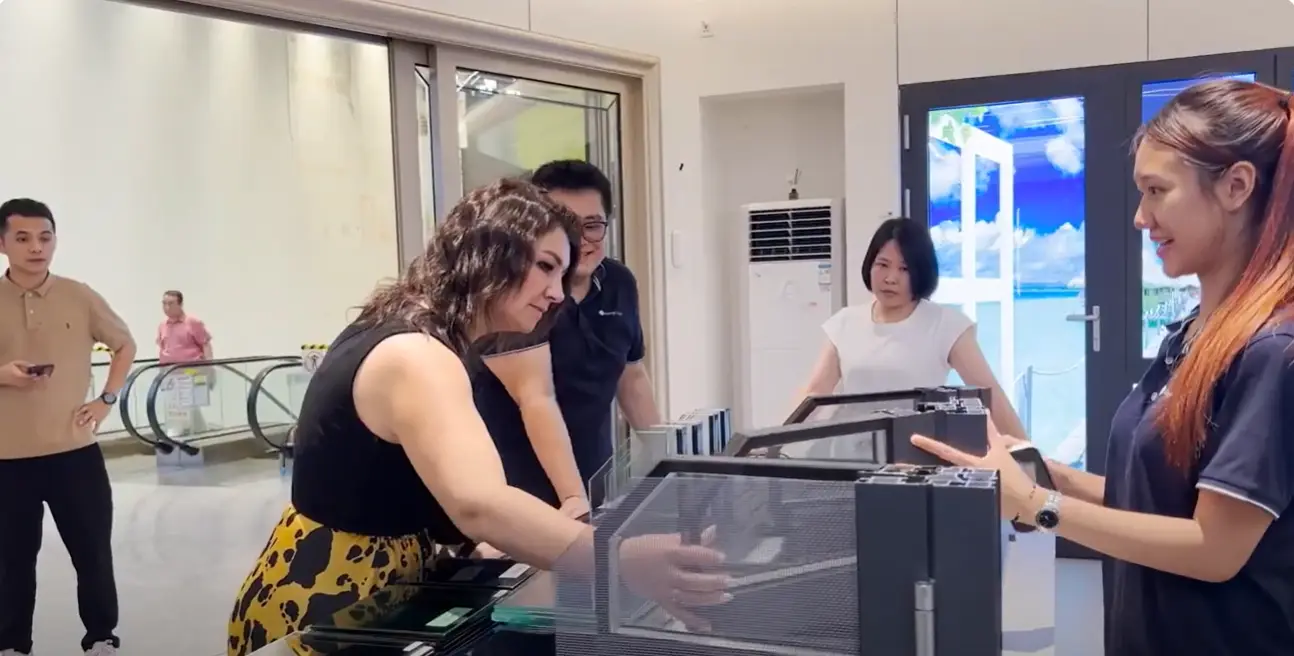
Choose the opening type for the room
The best-looking system is not always the most practical system. I first ask how the room will be used, how often the opening will move, and what weather it will face.
Hinged windows can give strong air and water sealing when the frame, hardware, and installation are correct.
Sliding systems do not open into the room, but track, drainage, interlock, rollers, and panel weight need attention.
These systems create a wide connection to a terrace, but need stronger profiles, suitable hardware, and a clear threshold detail.
Fixed glass can give a wider view and has fewer moving parts. We often combine fixed panels with selected opening panels for ventilation, cleaning, safety, and cost control.
03
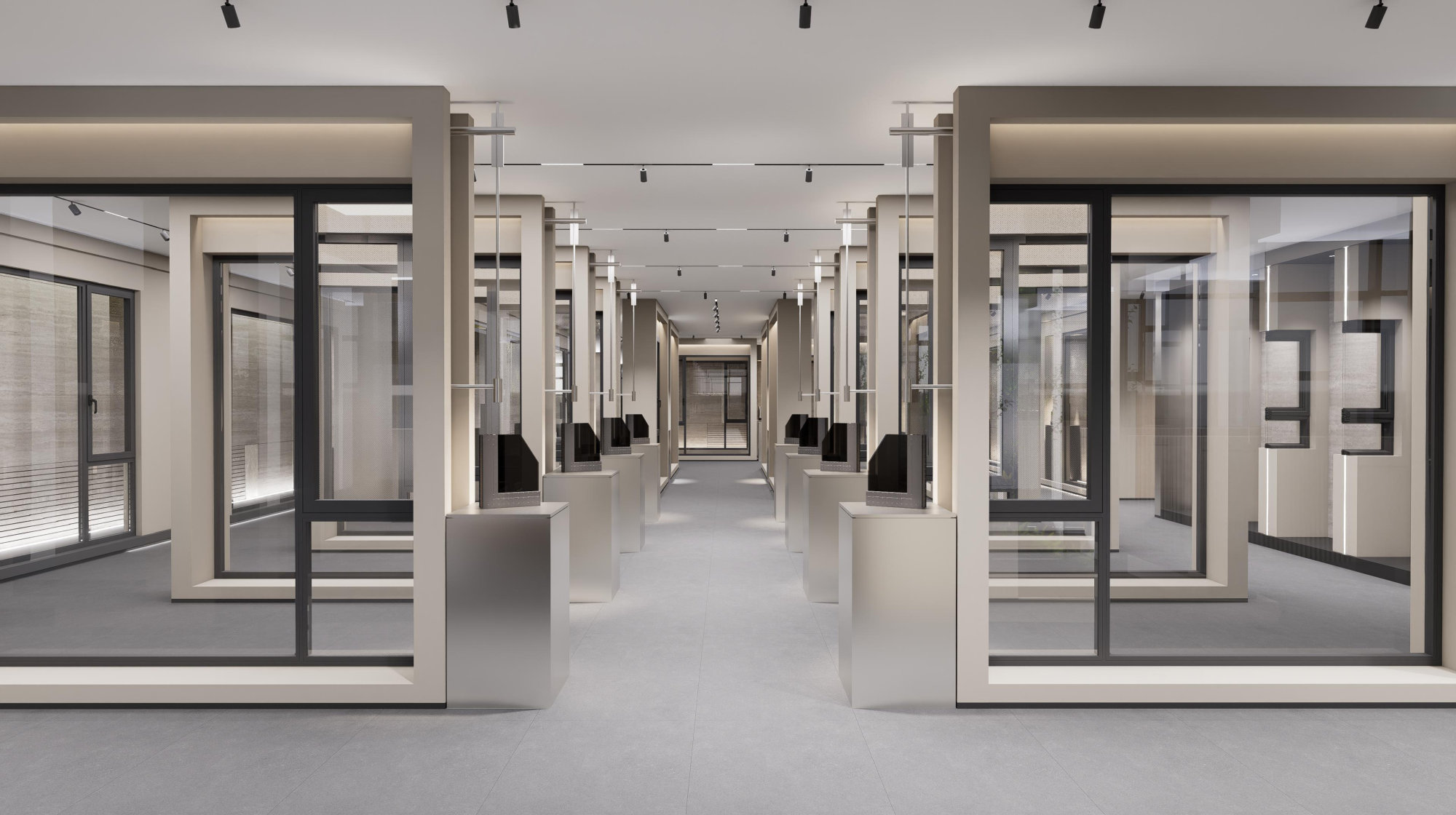
Do not compare aluminum by color alone
Two black aluminum windows can have very different profiles inside. The price can change with the frame depth, aluminum use, reinforcement, thermal break, finish, and maximum panel size.
Profile system and strength
The factory should recommend a system that suits the opening size, glass weight, wind condition, and operation. A profile that works for a small window may not be right for a tall sliding door.
Thermal break
A thermal break separates the inside and outside aluminum with a lower-conductivity material. It can help reduce heat transfer and inside-surface condensation risk. The need depends on climate, energy target, glass, wall design, and local rules.
Surface finish
Confirm the exact color, gloss, texture, and finish method. Coastal or exposed projects may need stronger corrosion planning. We ask the project designer to approve the sample because screens, handles, doors, and façade metal should work together.
04
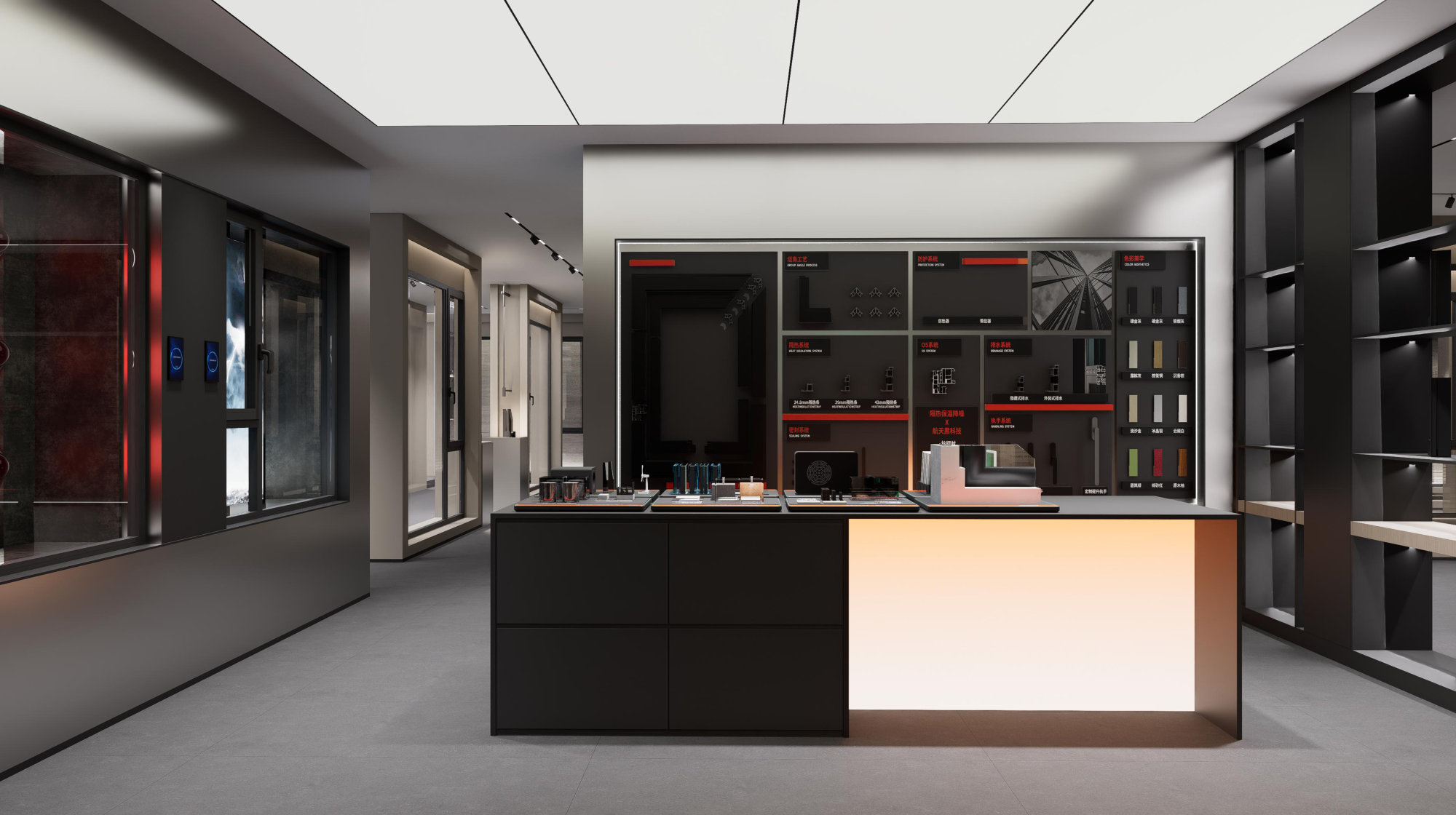
Choose glass for safety, climate, comfort, and size
“Double glass” is not a complete specification. We write the thickness of each pane, the space between panes, the safety treatment, coating, color, spacer, and gas fill when required.
Tempered and laminated glass serve different safety needs. Low-E coatings can help control heat transfer, while laminated glass can also support safety and sound-control goals. The final build-up must be checked for the real panel size and local building rules.
U-factor and SHGC
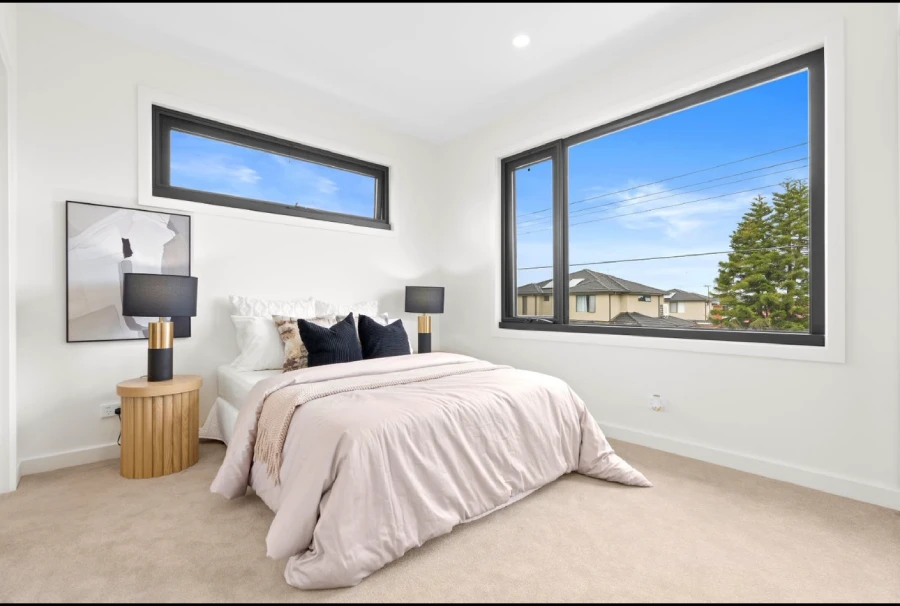
In markets that use these values, a lower U-factor means less heat passes through the complete window. SHGC shows how much solar heat enters through it. The right SHGC is not the same for every climate or window direction. We ask the local energy consultant or architect to give the target values before the factory quotes.
Do not rely only on a test report for a different window. Ask whether the report covers the proposed system, size, glass, and configuration. Your local professional should review the documents needed for approval.
05
Hardware and small details decide how the product feels
Good glass and aluminum cannot save weak hardware. We write the hardware brand or grade into the quotation and shop drawing. For large sliding panels, we also check panel weight, roller capacity, handle position, locking points, and replacement access.
Other small parts matter too: EPDM gaskets, brushes, corner joints, drainage holes, sill pans, screens, restrictors, child-safety needs, door closers, thresholds, and sealants. These details are easy to miss in a short quotation.
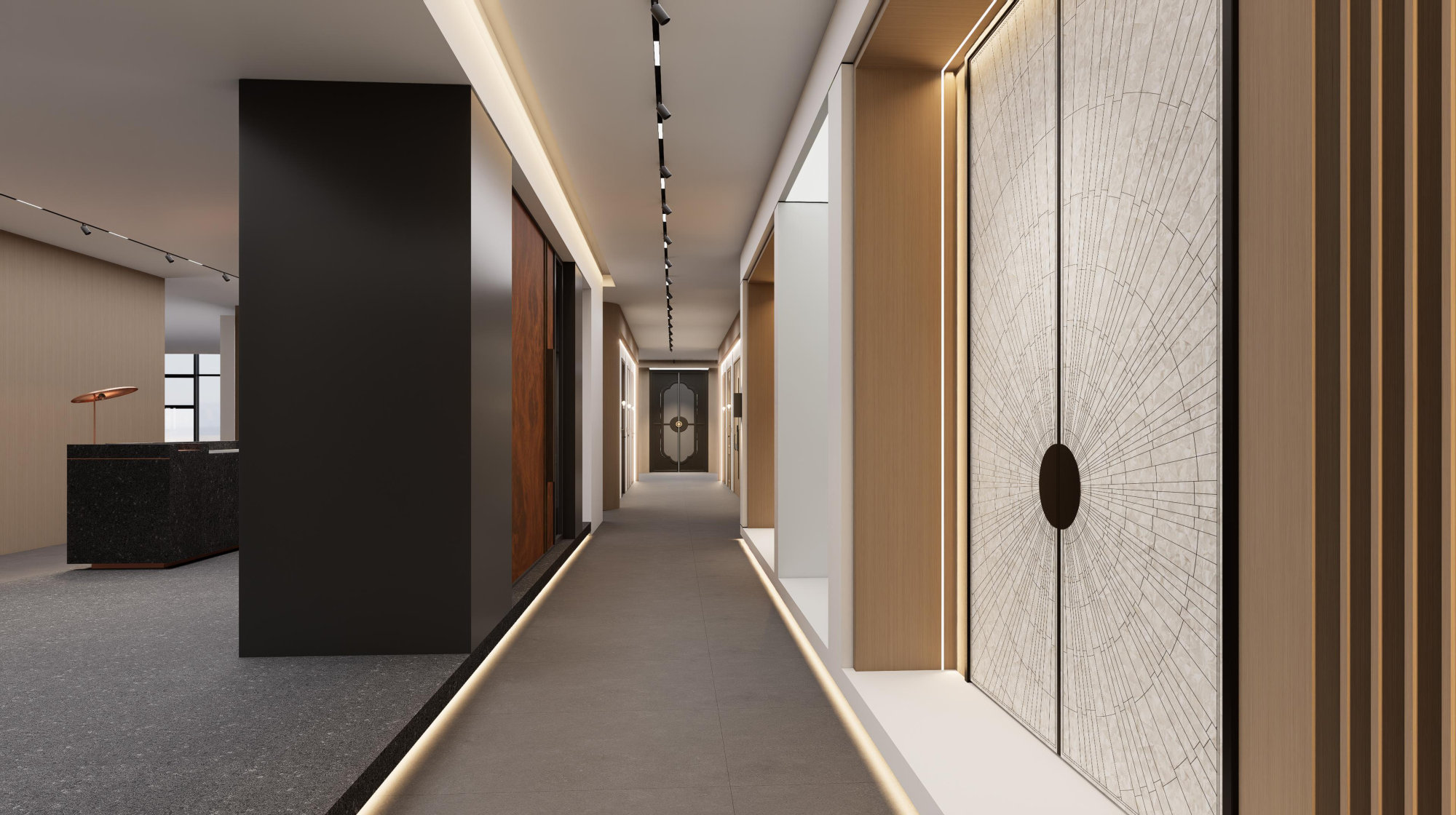
For entrance and internal doors, we also confirm the leaf material, thickness, frame, trims, hinges, lock body, handle, threshold, opening direction, wall thickness, and use in wet or dry areas.
06
How we compare two supplier quotations
We give the same schedule and written requirements to each supplier. Then we compare line by line, not only by the final total.
- Opening ID, room, width, height, and quantity
- Window or door type and opening direction
- Frame material, profile system, color, and finish
- Glass build-up, safety treatment, coating, and spacer
- Hardware brand or grade, handle finish, and locking points
- Screens, drainage, gaskets, sealants, and accessories
- Required performance and supporting test information
- Packing, labels, spare parts, trade term, and lead time
Ask for clear exclusions. Installation, sealant, flashings, access equipment, local testing, unloading, and delivery to site may not be included. A cheap factory price can become expensive when important parts are added later.
07
Inspect, label, pack, and plan the installation
Before mass production, we prefer to approve a sample, corner sample, or one representative unit when practical. During inspection, we check the approved schedule against the finished goods.
- Check identity and size. Match every unit to its opening ID and approved drawing.
- Check appearance. Review finish, color, glass, scratches, dents, and visible joints.
- Check operation. Open, close, lock, and test the hardware on selected units.
- Check details. Review seals, drainage, glass marks, accessories, screens, and spare parts.
- Check packing. Protect corners, frames, glass, tracks, and hardware for the full shipping route.
Every package should show the opening ID and project location. The local installer should receive the drawings, packing list, installation details, sealant requirements, and unloading plan before the container arrives.
08
Frequently asked questions
Are aluminum windows from China good quality?
They can be very good, but “aluminum window” is not one quality level. We compare the complete system: profile, glass, hardware, seals, drainage, production, testing, packing, and the factory’s ability to follow approved drawings.
Do I need thermal-break aluminum?
It depends on the climate, energy target, window size, and local rules. Thermal-break frames can reduce heat transfer, but the glass, spacer, seals, and installation also affect the complete window.
Should I choose double or triple glazing?
The right choice depends on local climate, energy rules, noise, frame capacity, weight, and budget. More glass is not automatically better if the complete system and installation are not suitable.
Can the factory measure my villa?
For overseas projects, the local builder or surveyor usually confirms the final openings. We can review the schedule and shop drawings, but the person responsible for site dimensions should approve them before production.
How do I compare two window quotations?
Ask both suppliers to quote the same opening schedule and the same written specification. If the profile, glass, hardware, finish, testing, packing, or trade term is different, the total prices are not directly comparable.
PLAN YOUR WINDOW PACKAGE
Let us review every opening.
Send us your floor plans, elevations, window and door schedule, project country, style references, and target date. We will help organize the specification before comparing factories.
Request a Window & Door Review