
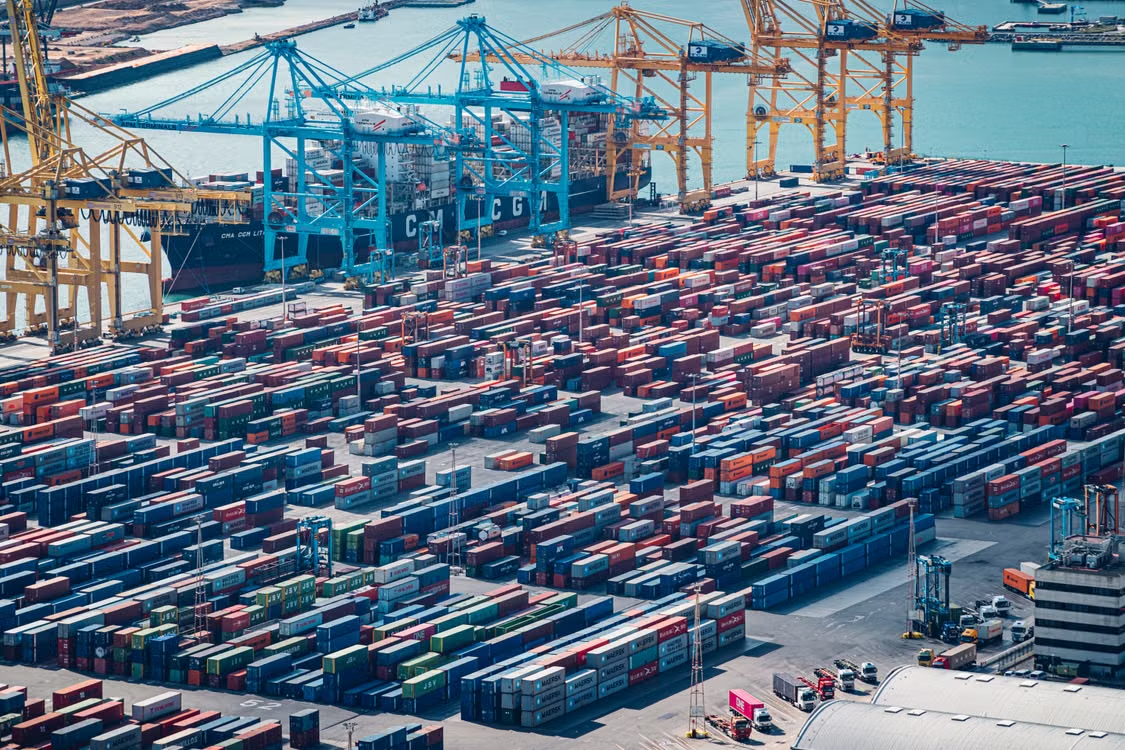
Villa materials are very different from normal parcels. Tiles are heavy, glass is fragile, cabinets use space, stone needs strong support, and long profiles may need special planning.
The shipping plan connects the factories, warehouse, container, port, customs broker, local truck, unloading team, and protected site storage.
QUICK ANSWER
What is the safest shipping process?
Confirm the destination and trade term, estimate packed weight and volume, choose FCL or LCL, use product-specific export packing, inspect and label every package, prepare documents, and plan customs, unloading, and site storage before departure.
01
FCL or LCL: choose by risk as well as volume
FCL gives one project the use of a full container. It can reduce extra handling and is often preferred for a large mixed villa order.
LCL combines cargo from different shippers. It may work for a small order, but the goods normally move through more handling points. Fragile, long, or difficult packages need careful review.
02
Consolidate factories into one controlled plan
Different factories deliver to one warehouse according to a schedule. The warehouse checks package count, labels, damage, size, weight, and readiness before loading.
Do not send every factory to the warehouse at random. Storage time, repeated handling, missing documents, and late goods can increase cost.

03
Use the right packing for each product
Tiles need strong cartons and pallets. Stone may need reinforced crates. Glass and windows need frame and corner protection. Cabinets need moisture and impact protection. Hardware should be packed and labeled with the related product.
Ask for packing photos, package dimensions, gross weight, and package count before booking. Freight estimates based on product size alone can be wrong.
- Inner product protection
- Strong outer carton, pallet, or crate
- Clear room and item labels
- Moisture and corner protection
- Safe lifting and forklift points
- Packing list that matches every package
04
Prepare documents and customs early
Common records include the commercial invoice, packing list, bill of lading, and product details. Certificates, permits, or other documents depend on the product and destination.
Ask a customs broker in the destination country to confirm classification, duties, taxes, restrictions, and required documents before shipping. The final customs decision belongs to the local authority.
05
Plan the last kilometre before the vessel arrives
Confirm port or terminal charges, customs clearance, local truck limits, road access, unloading equipment, labour, storage, and the person who will check the delivery.
A container should not arrive before the site can receive it. Demurrage, waiting trucks, poor unloading, and outdoor storage can damage both the budget and the materials.

FAQ
Frequently asked questions
Is FCL always cheaper than LCL?
No. Cost depends on volume, weight, route, local charges, and handling. FCL may still be safer for fragile or mixed project cargo.
Can one container hold tiles and furniture?
Yes, with a professional loading plan that controls weight, pressure, separation, moisture, and unloading order.
Who confirms import duty?
Use a qualified customs broker or local advisor. Product classification and import treatment are decided by the destination authorities.
Should I buy cargo insurance?
Discuss suitable cargo insurance with your freight or insurance professional and understand the coverage, exclusions, and claim documents.
START YOUR PROJECT
Plan the shipment before the factories finish.
Send your product list, destination, schedule, and estimated order size. We can help organize packing, consolidation, and loading information.
Send Your Project Details