
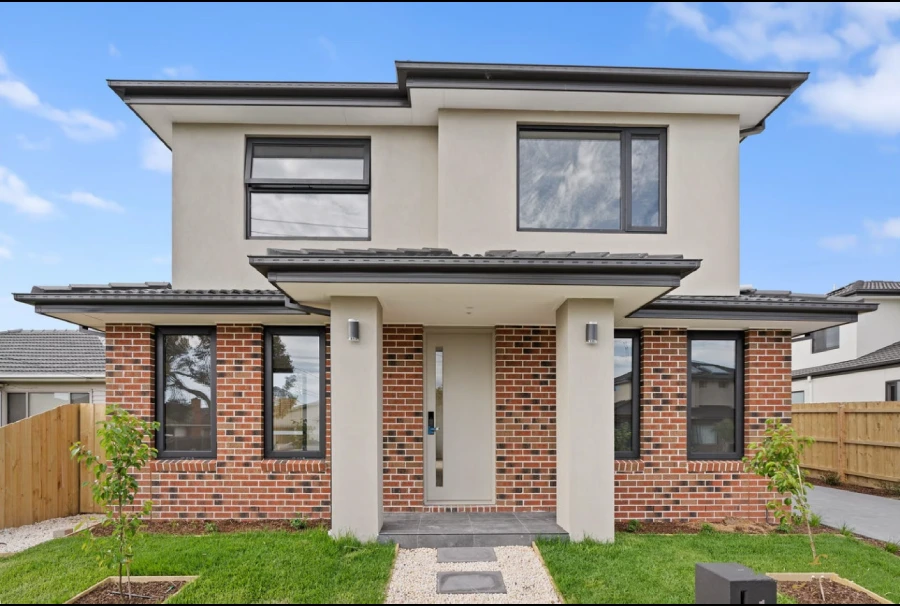
Many buyers start with a short list: tiles, doors, windows, kitchen, and bathroom. It looks simple. Then small but important items appear—handles, drains, skirting, cabinet lights, shower glass, spare tiles, and packing.
That is why we do not build a quotation from memory. We start with the drawings, divide the villa into clear categories, and check every room. This gives the buyer a list that is easier to price, approve, inspect, pack, and install.
QUICK ANSWER
What should a villa material list include?
A useful list should include four things for every item:
The product name alone is not enough. “Window” should also show the size, frame, glass, color, opening method, hardware, quantity, and installation needs.
01
First, decide what you will buy locally and what you will import
A complete construction list can include cement, steel, blocks, pipes, wires, finishes, furniture, and many small parts. But importing every item is not always the best plan.
Heavy basic materials such as sand, cement, blocks, and reinforcement steel are often easier to buy near the project. Local contractors also know the approved brands and standards. Imported buying is usually more useful for designed and higher-value products such as windows, doors, cabinets, stone, sanitary ware, lighting, and furniture.
Cement, sand, blocks, common pipes, common wires, adhesives, and daily site supplies.
Roofing, waterproofing, HVAC, solar, electrical equipment, and products controlled by local rules.
Doors, windows, cabinets, stone, tiles, bathroom products, lighting, stairs, and furniture.
The final choice depends on your country, project size, local supply, required certificates, shipping cost, and construction schedule.

02
Our complete villa finishing-material checklist
This is the main list we use to start a whole-villa discussion. Your project may need more or fewer items, but these eight groups cover most finishing work.
Doors & windows
Entrance doors, internal doors, aluminum or uPVC windows, glass, screens, locks, handles, and sealants.
Tiles & stone
Floor tiles, wall tiles, outdoor tiles, stair stone, countertops, skirting, adhesive, grout, and spare pieces.
Kitchen & storage
Kitchen cabinets, island, countertops, sink, tap, appliance openings, wardrobes, vanities, and utility cabinets.
Bathrooms
Toilets, basins, taps, showers, bathtubs, shower glass, drains, mirrors, accessories, and installation parts.
Flooring & stairs
Wood, SPC, laminate, decking, underlay, skirting, profiles, stair treads, railings, and handrails.
Lighting & electrical
Indoor and outdoor lights, switches, sockets, smart controls, drivers, transformers, and spare parts.
Interior finishes
Wall panels, ceilings, paint references, feature walls, fireplaces, screens, and decorative metalwork.
Furniture & soft items
Sofas, beds, tables, chairs, curtains, rugs, mirrors, artwork, and outdoor furniture.
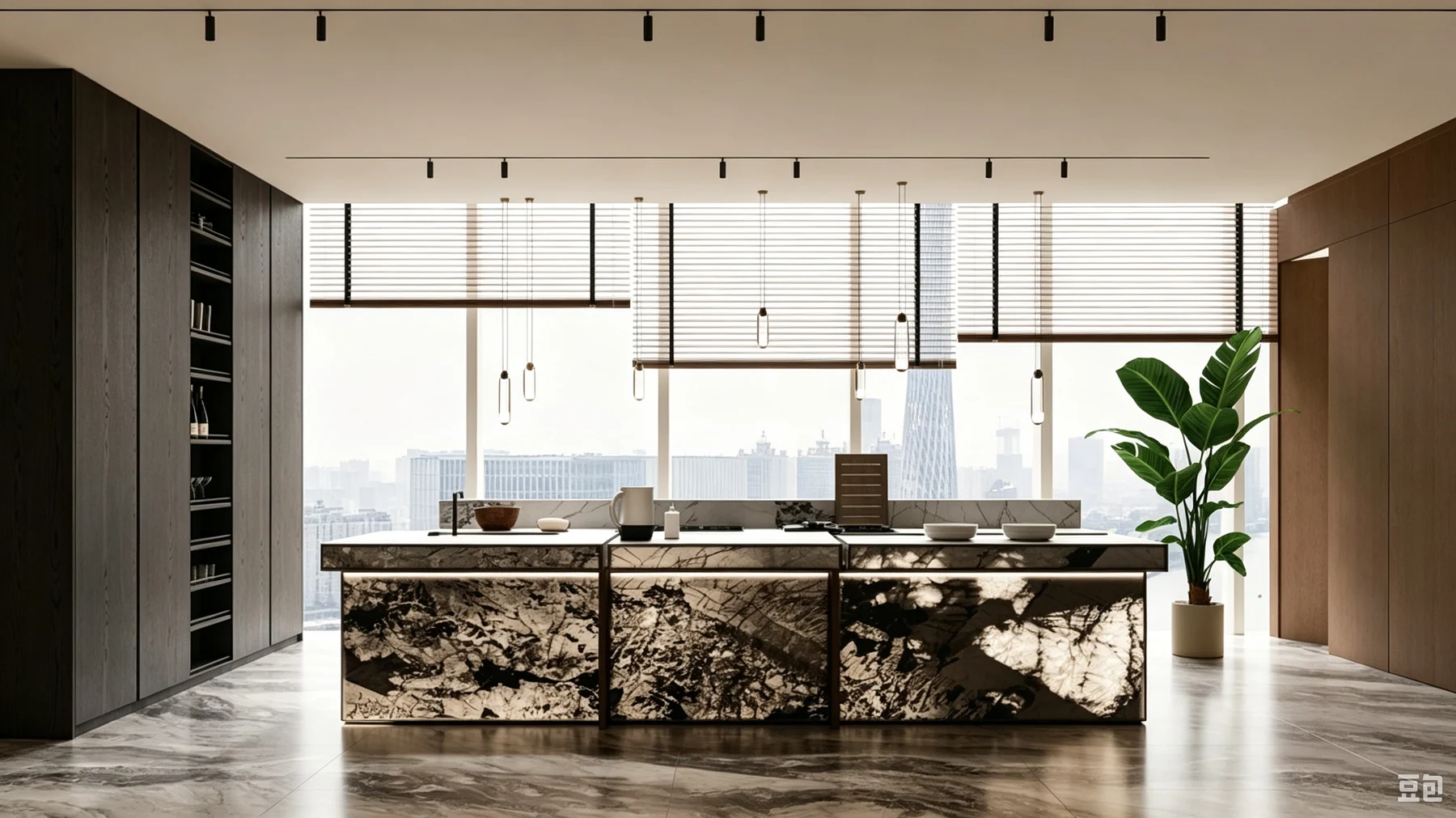
We also add the small connecting items. For example, a bathroom is not complete with only a toilet and basin. It may also need valves, traps, drains, hoses, brackets, silicone, mirrors, shelves, towel rails, and spare parts.
03
Check the list again, room by room
A category list is useful, but it can still miss items. We make a second check by room because the client, designer, and installer usually think about the project in different ways.
Entrance, living, and dining areas
Check the main door, floor finish, skirting, feature wall, ceiling, lighting, switches, curtains, furniture, rugs, artwork, and air-conditioning covers.
Kitchen and utility room
Check cabinets, island, countertops, backsplash, sink, tap, appliances, power points, cabinet lights, handles, waste bins, laundry cabinets, and storage accessories.
Bedrooms and wardrobes
Check doors, flooring, skirting, wardrobes, handles, mirrors, beds, bedside tables, lights, sockets, curtains, and study furniture.
Bathrooms
Check floor and wall tiles, drains, toilet, basin, vanity, mirror, taps, shower, shower glass, bathtub, niches, accessories, valves, and all installation parts.
Stairs, balconies, and outdoor areas
Check stair finish, nosing, railing, handrail, balcony doors, outdoor tiles, decking, façade stone, gates, outdoor lighting, drainage, and garden furniture.

04
Documents we need before making the final list
A checklist tells us what to consider. It does not give the final quantity. For that, we need the latest approved project information.
- Floor plans and room names
- Elevations and sections
- Door and window schedule
- Kitchen, wardrobe, and bathroom drawings
- Electrical and lighting plans
- Material or finish schedule
- Reference images and preferred style
- Project country, delivery address, and target date
We mark the drawing version and date. If the design changes, we update the related quantities and specifications. This small step prevents old drawings from entering production.

05
Do not order every material at the same time
The list should follow the construction schedule. Long-lead and measurement-sensitive products start early, but final production should use confirmed site dimensions when required.
- Start with design decisions. Confirm the villa style, color direction, budget level, and local requirements.
- Confirm openings and fixed items. Review doors, windows, stairs, kitchens, wardrobes, bathrooms, and built-in lighting.
- Approve samples and drawings. Check colors, finishes, hardware, sizes, shop drawings, and mock-ups.
- Release production by project need. Match factory lead time with the real construction program.
- Inspect, label, and pack. Use room names, item codes, and package lists so the site team can find each item.
We also check whether early delivery will create a storage problem. Materials that arrive too soon can be damaged, lost, or moved many times on site.
06
Five common material-list mistakes
07
Frequently asked questions
Is this checklist the same as a BOQ?
No. A checklist helps us remember every category. A BOQ gives the exact item, specification, unit, and quantity. We use approved drawings to turn the checklist into a project BOQ.
Should I buy structural materials from China?
Not always. Cement, sand, blocks, and reinforcement steel are heavy and often easier to buy near the project. Imported buying usually makes more sense for designed, custom, or higher-value finishing products.
Which materials should I confirm first?
Start early with windows, doors, cabinets, stone, sanitary ware, and special lighting. These products need drawings, samples, measurements, or longer production time.
How much extra material should I order?
The spare quantity depends on the product, installation method, color batch, and risk of future replacement. We confirm it category by category instead of using one percentage for everything.
Can you prepare the material list from my drawings?
Yes. Send us the latest drawings, room list, style references, delivery country, and target date. We can help organize the categories and identify missing information before quotation.
BUILD YOUR MATERIAL LIST
Let us check your villa drawings.
Send us your floor plans, room list, design references, delivery country, and target date. We will help you organize the material scope and find the missing details before quotation.
Request a Material List Review